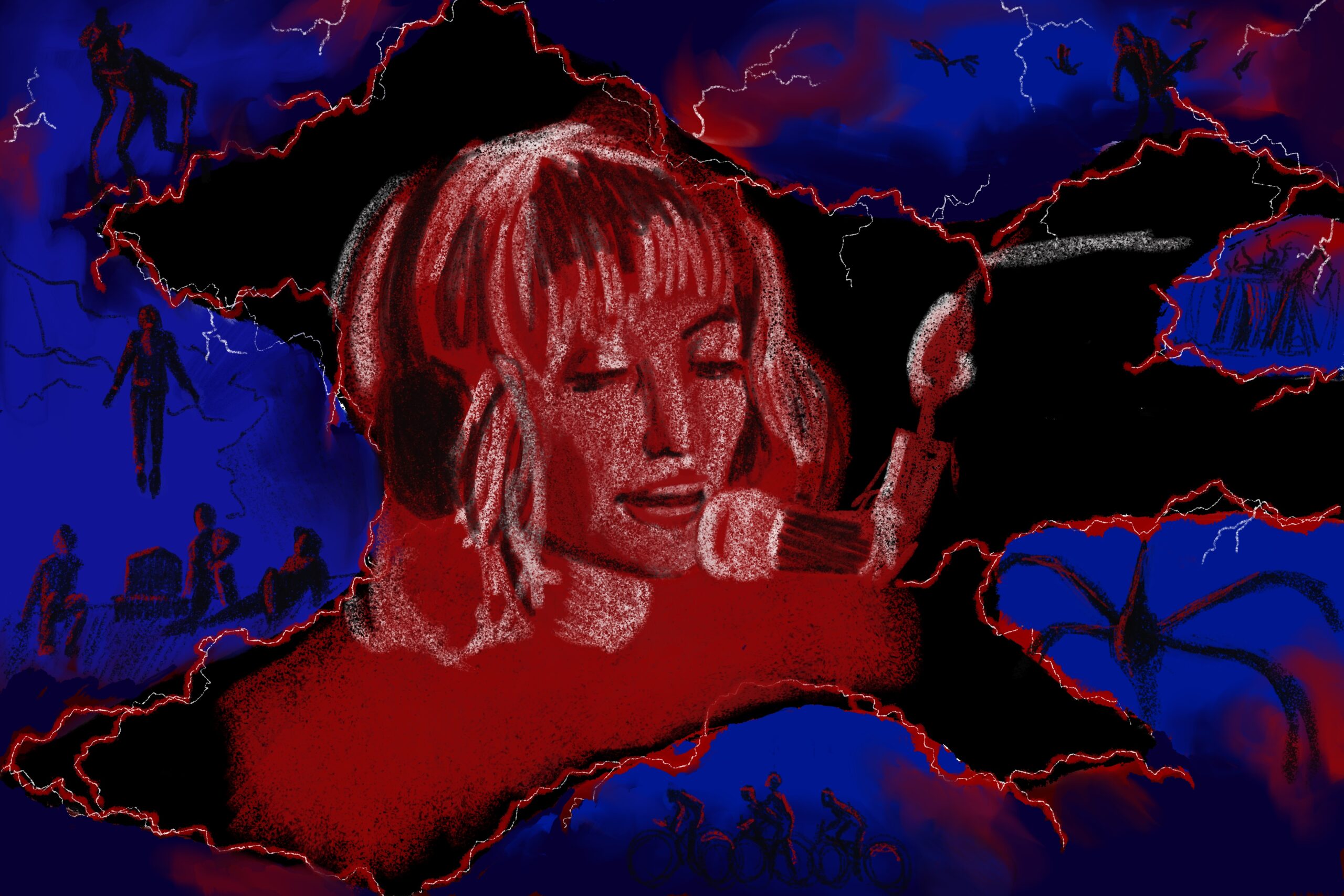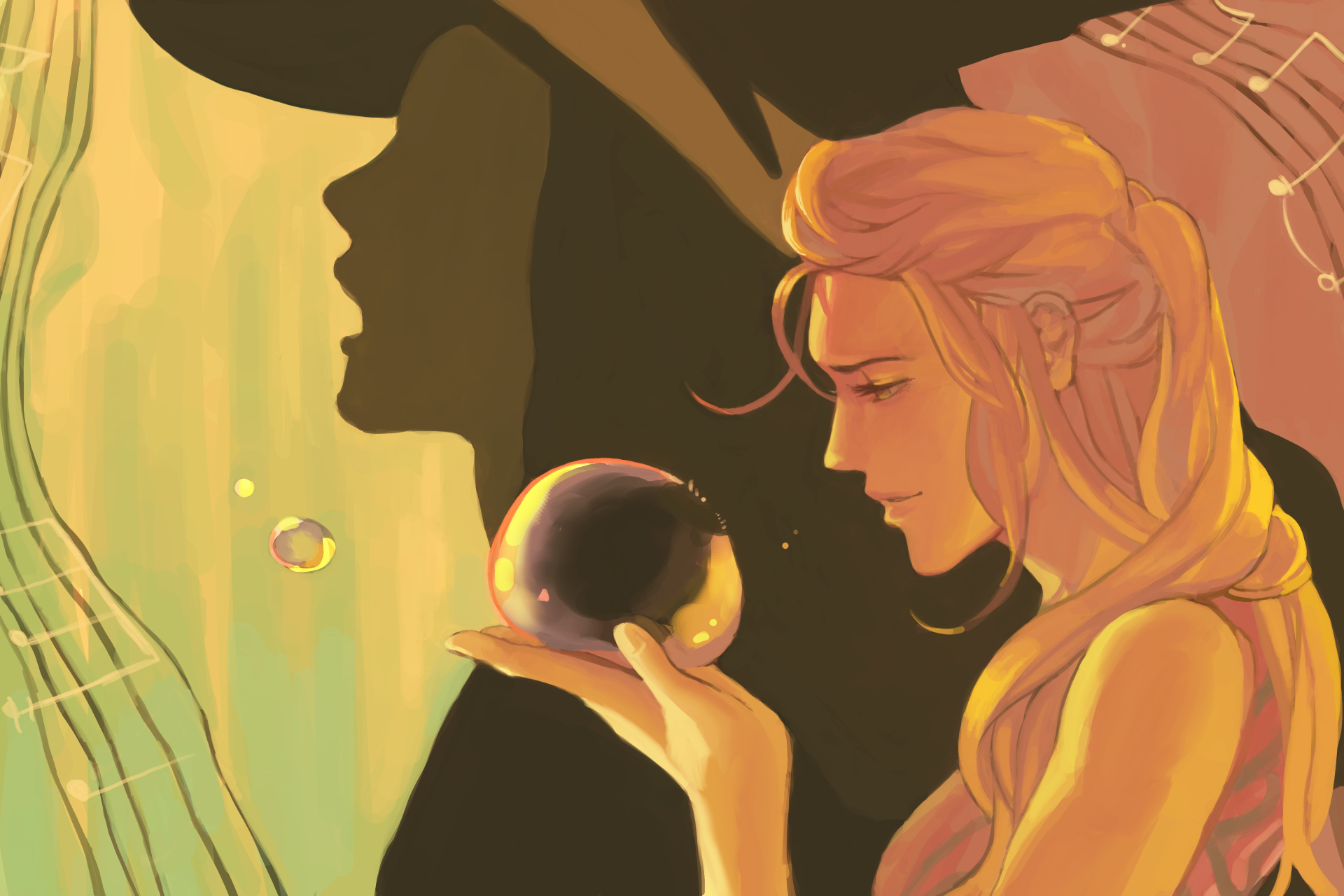
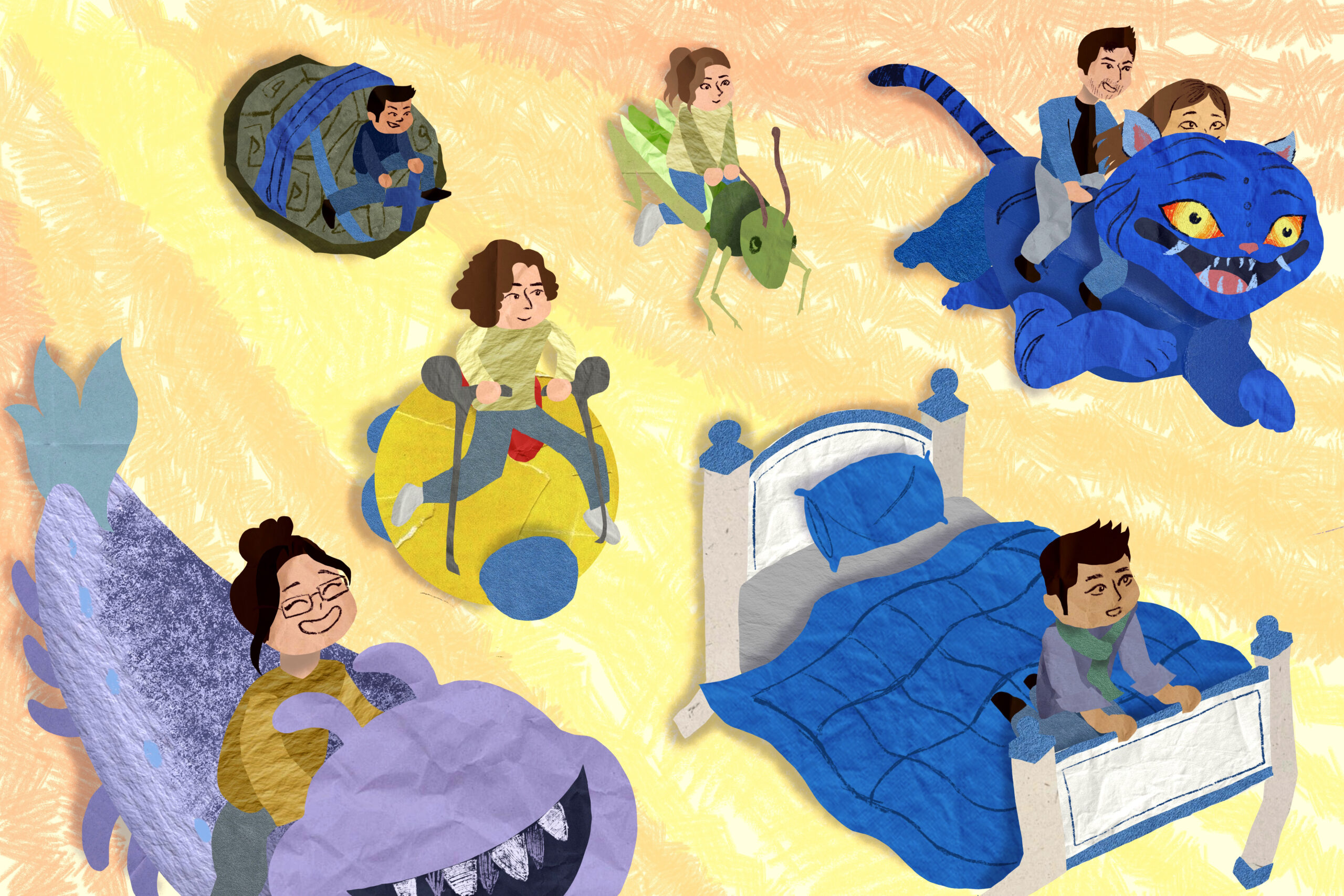
Written by Savannah Sorowice. Header illustration courtesy of Tae Park.
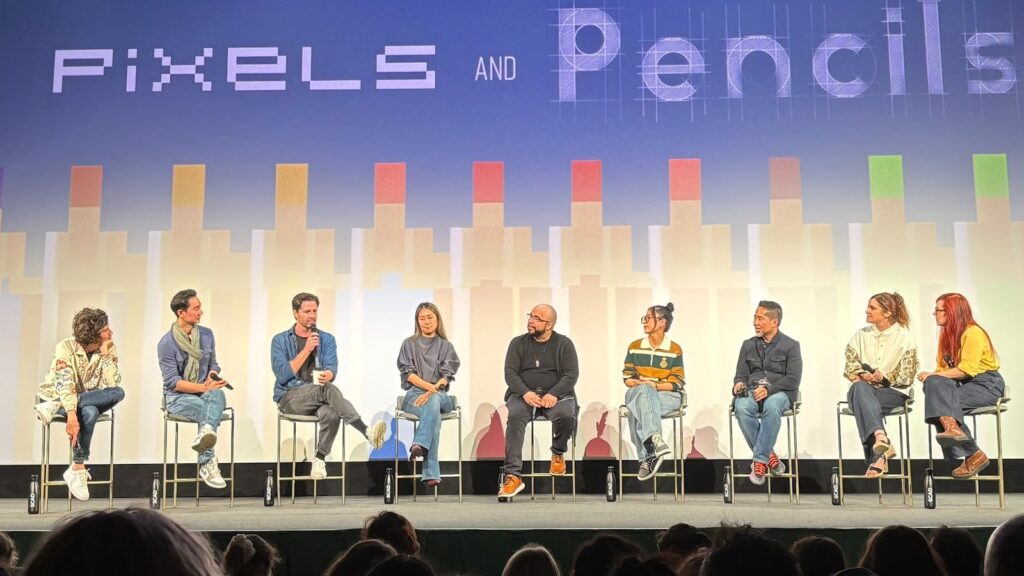
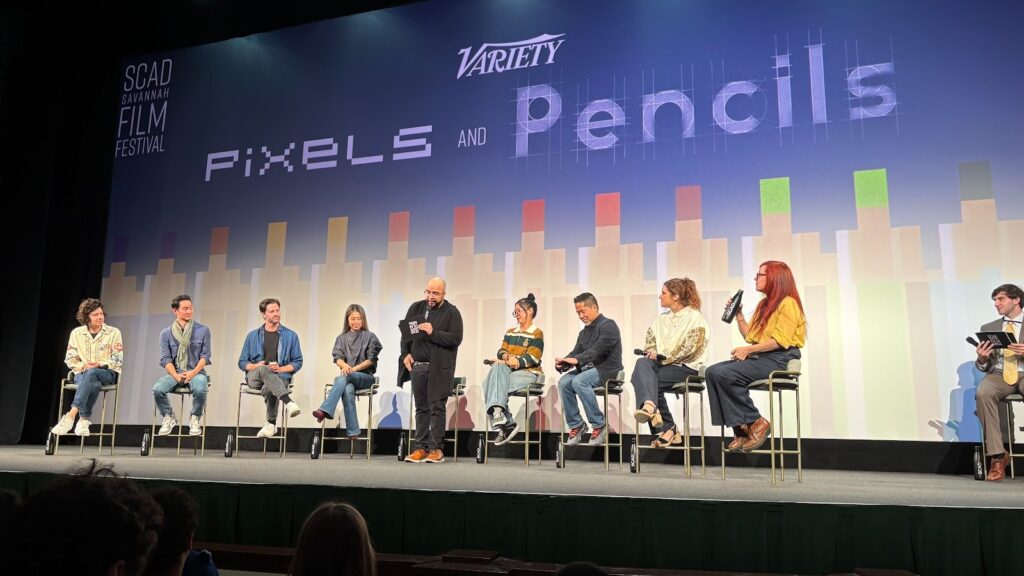
At the SCAD Savannah Film Festival, Variety’s Pixels and Pencils event series is the ultimate celebration of the year’s triumphs in the animation industry. Perhaps the headlining event was the Directors’ Roundtable—where directors of the Oscar-hopeful films of the year all discuss their artistry in front of SCAD animation students.
This year’s talk was starstudded with artists that were worth lining up around the block to see. The panel featured Chris Appelhans and Maggie Kang, co-directors of the worldwide sensation “K-Pop Demon Hunters,” Alex Woo, the filmmaker behind the upcoming movie,“In Your Dreams” and veteran Pixar director, Domee Shi, representing the studio’s latest film,“Elio.” French directors, Ugo Bienvenu, of the short film “Arco” and Maïlys Vallade, of “Little Amélie Or The Character of Rain” Kent Seki and “Teenage Mutant Ninja Turtles: Chrome Alone 2 – Lost in New Jersey” were also in attendance. This group also sets the record for most women directors at the panel, as well as the first time a director has returned to the panel (Domee Shi).
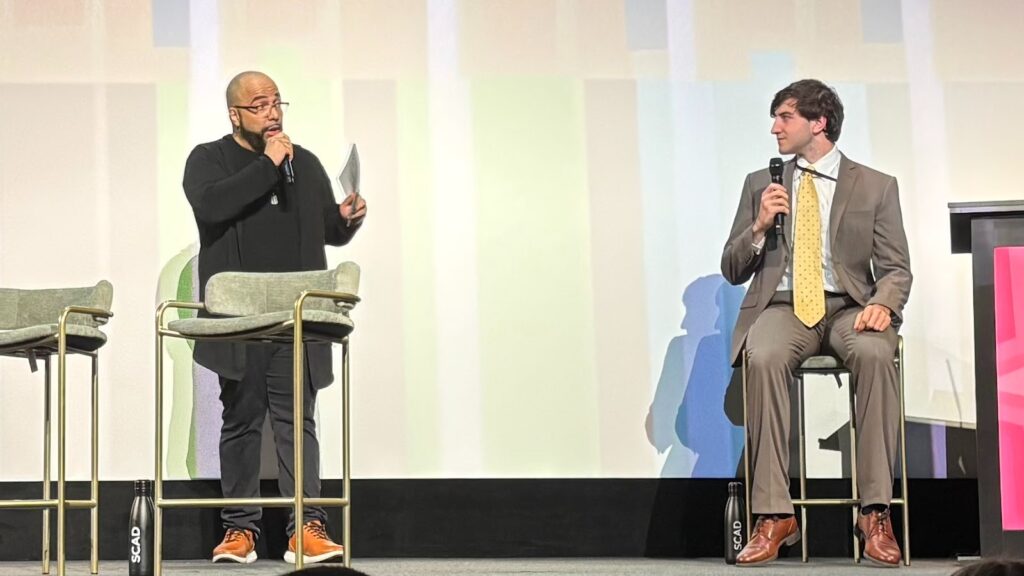
Variety’s Chief Awards Editor Clayton Davis started the show off by stating his ambition, a vision shared by many members of the audience. He hopes that one day, an animated movie will push the label of “genre” and finally be considered a medium. So much so, that one could even win best picture at the Oscars. He then asked the audience, “Who here thinks they will be the director of that movie?” One of the students who raised their hands, Anthony DeMarco, was then chosen to co-moderate the panel. With his help, he welcomed the panelists on stage to thunderous applause. Each director was given plenty of cheers — but it seemed that the loudest was saved for Kang and Applehans. Due to their creation of such a strong original IP in a sequel-saturated industry, they’ve been regarded as sort of the “underdogs” of this year’s scene.
The next 90 minutes were filled with insightful questions and answers. Directors gave their inspirations behind their films, and what drove them to tell their story — a question that sparked answers ranging from creating stories that they felt represented themselves and their culture to ones that were therapeutic to them personally. The panelists related to the students in the audience by discussing their college days, and things they wished they had known while they were in school. Woo brought up the struggle of having the patience to slowly climb the ladder in the industry, while Kang encouraged the young animators by reminding them that there is no requirement for all projects to be perfect and to trust in the power of refinement. Vallade stressed the importance of being able to communicate and defend your ideas to other artists and executives.
The women of the panel were asked about how to overcome hurdles in the field, and they collectively agreed to take advantage of “being the only woman in the room.” Female animators have a perspective that is importantly unique from their male peers.
Davis also asked each of the directors more one-on-one questions. For instance, Shi was asked about her creative process, specifically in reference to “Elio.” She noted that connecting with the titular character was key, and she and co-director Madeline Sharafian, had to dig deep into their own childhood feelings of loneliness. She also emphasized the importance of defying expectations in the film, citing the example of when Elio is abducted by aliens — but rather than being scared — he was excited. When Vallade was asked about the difference between working with independent distributors versus major studios, she lauded the freedom that having a smaller and more intimate team can bring to the production experience. Applehans and Kang were asked about their creative partner relationship, and to the audience’s amusement, admitted there was “zero drama” and that they were “always on the same page” throughout the 7-year production timeline.
Davis brought the artists back together by asking the classic final question for a university audience: words of advice for future animation directors.
Both Kang and Seki agreed that communication with the artistic team is a director’s priority. Vallade imparted the importance of collaboration, saying that the team has “given their hearts” to the project, and it’s a director’s responsibility to respect that fact. Applehans got more specific, citing the book “The Art of Dramatic Writing” by Lajos Egri, which he called “incredibly boring” but ultimately very useful in his writing career. Shi, Bienvenu, and Woo each have more general advice for pursuit of any role in the industry.
Bienvenu told an anecdote of a teacher who once told him to “choose only one” role in the industry, which he promptly ignored, and urged students in the audience to “do everything.” He also told students to make their ideas important not just to themselves but “important to everyone,” which was a sentiment that was strongly supported by the other panelists. Woo stressed the importance of being honest in their writing and told the audience to stay true to themselves and their story. Shi, bringing to mind her Oscar acceptance speech for “Bao” in 2019, dared the audience to “be embarrassing” and “embrace the cringe.”
When the presentation was over and the house lights went up, a feeling of renewed inspiration was palpable among the students of the crowd. All animation majors, both at SCAD and beyond, understand the laborious and even daunting work that is done in the industry. Many of these students would also tell you that they have felt their enthusiasm for the craft ebb and flow over the years. But one thing keeps them all coming back, and that’s the chance to tell their story. Each of the directors on stage were shining examples of hopeful young filmmakers who were now bringing their stories to audiences around the world. Who in that audience didn’t want to be one of them? There’s a certain intangible feeling that happens when you share your work with the world. Perhaps Vallade said it best in the panel when she said that “animation is magic.”